“Productivity is for Robots”: Kevin Kelly’s Utopian Vision of the Coming Economy of the Made

| Tech

As world fertility rates decline, Kevin Kelly offers his utopian vision of a future defined by an “Economic Handoff” where the world of “the Born” (humans) will coexist with, and rely on the productivity and consumption generated by, the world of “the Made” (bots):

The purpose of handing the economy off to the synths is so that we can do the kinds of tasks that every human would wake up in the morning eager to do. There should not be any human doing a task they find a waste of their talent. If it is a job where productivity matters, a human should not be doing it. Productivity is for robots. Humans should be doing the jobs where inefficiency reigns – art, exploration, invention, innovation, small talk, adventure, companionship. All the productive chores should be handled by the billions of AIs we make.

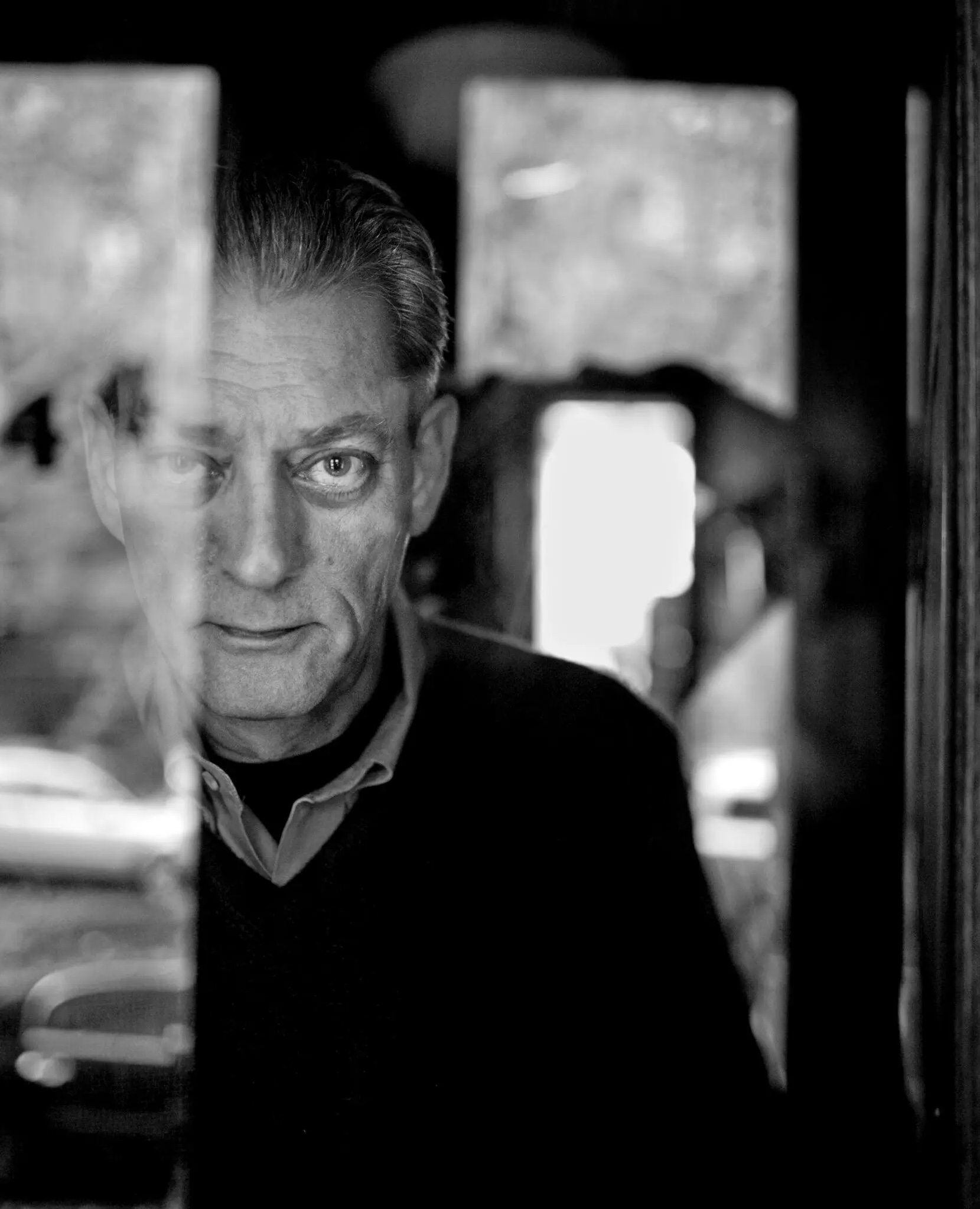
Paul Auster (1947 - 2024)

| RIP

Todd Heisler / The New York Times

Paul Auster was a fascinating, beautiful writer who plumbed themes and subjects I couldn’t (and still can’t) get enough of — chance, coincidence and the clockwork of the universe; loss and grief; belonging and place; the life of the mind and the act and consequence of writing itself.¹ He personified my idea of the quintessential New York intellectual-artist. On the page, I love the velocity of his prose, the economy of his sentences, which avoid the mannered, overworked tendencies one finds in others to whom he might be compared. In the early 90s, I was fortunate to attend two of his readings, both to promote his 1992 novel Leviathan. His in-person storytelling possessed both an ease and a seriousness which were precisely, authentically “Austerian.”

I confess over time I drifted from Auster’s prodigious output, my devotion tested by novels that didn’t wallop me like his early work. But, I felt secure knowing he was out there doing what compelled him, keeping on, unflinching, a force. I was comforted by my assumption I could always reconnect and catch up with his growing body of work when time allowed. In fact not a month ago I came across his latest, Baumgarten, which, with renewed affection, I found to be a return to form though through a more circumspect lens. And now he is gone.

NYT obituary

Literary Hub: Remembering Paul Auster


¹ Perhaps my greatest debt to Paul Auster was his outsized yet uncited influence on my mouthful of a Master’s Thesis: “From Fate to Indeterminacy: Examining Melodramatic and Comic Uses of Chance in Early Cinema and Their Transformation in the Classical Paradigm”.

Milan Kundera (1929 – 2023)

| RIP

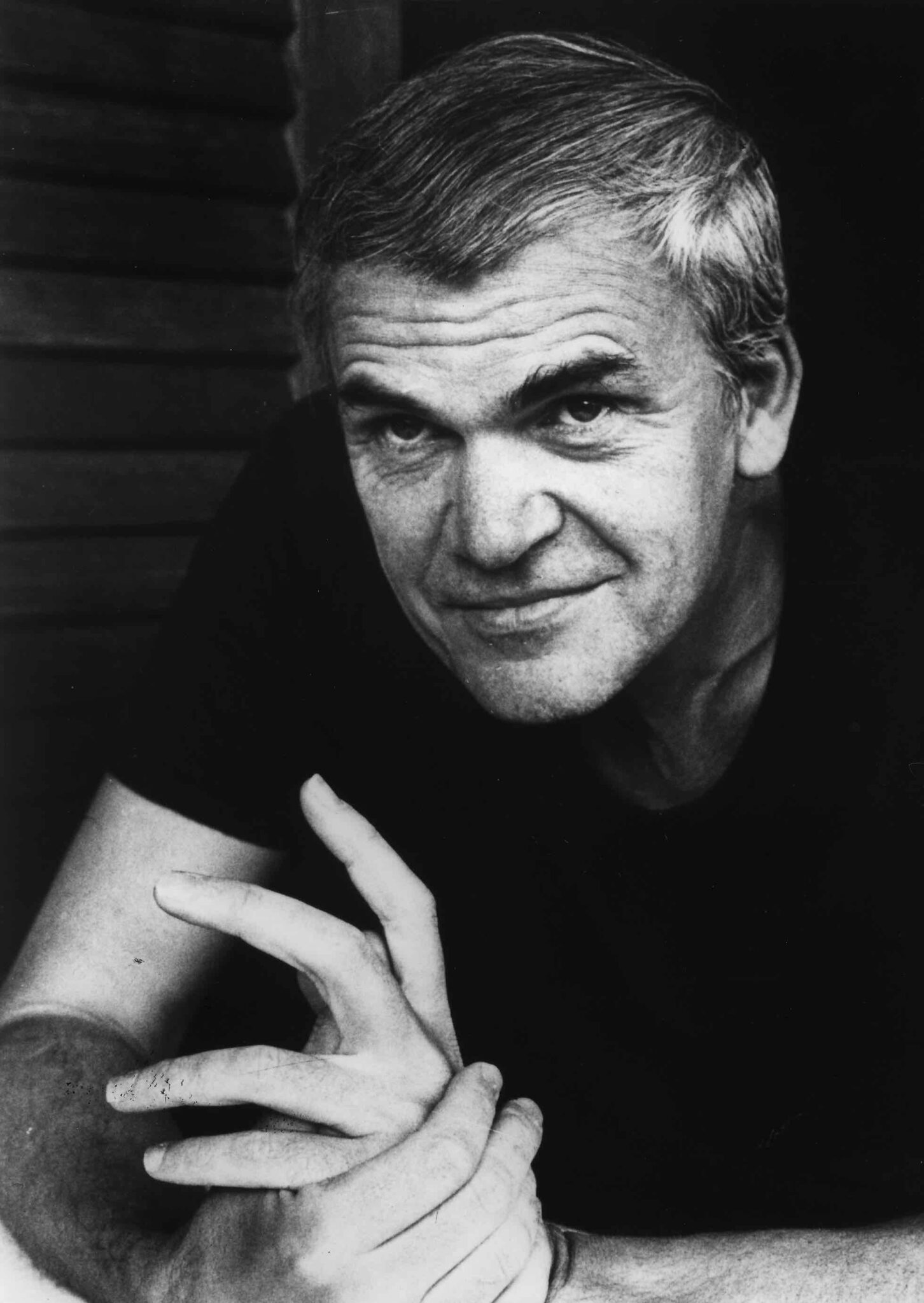
Milan Kundera’s novels, and in the case of The Unbearable Lightness of Being (Kaufman, 1988), film adaptations of his work, are among my favorite things. His writing greatly influenced my early appreciation and understanding of how literature can be thoughtful without being impenetrable, playful yet serious-minded, and, as Richard Powers has pointed out, excellent “empathy machines.”

NYT obituary

Why New Jersey

| Visual Culture

Copyright © The Henri Cartier-Bresson Foundation / Magnum

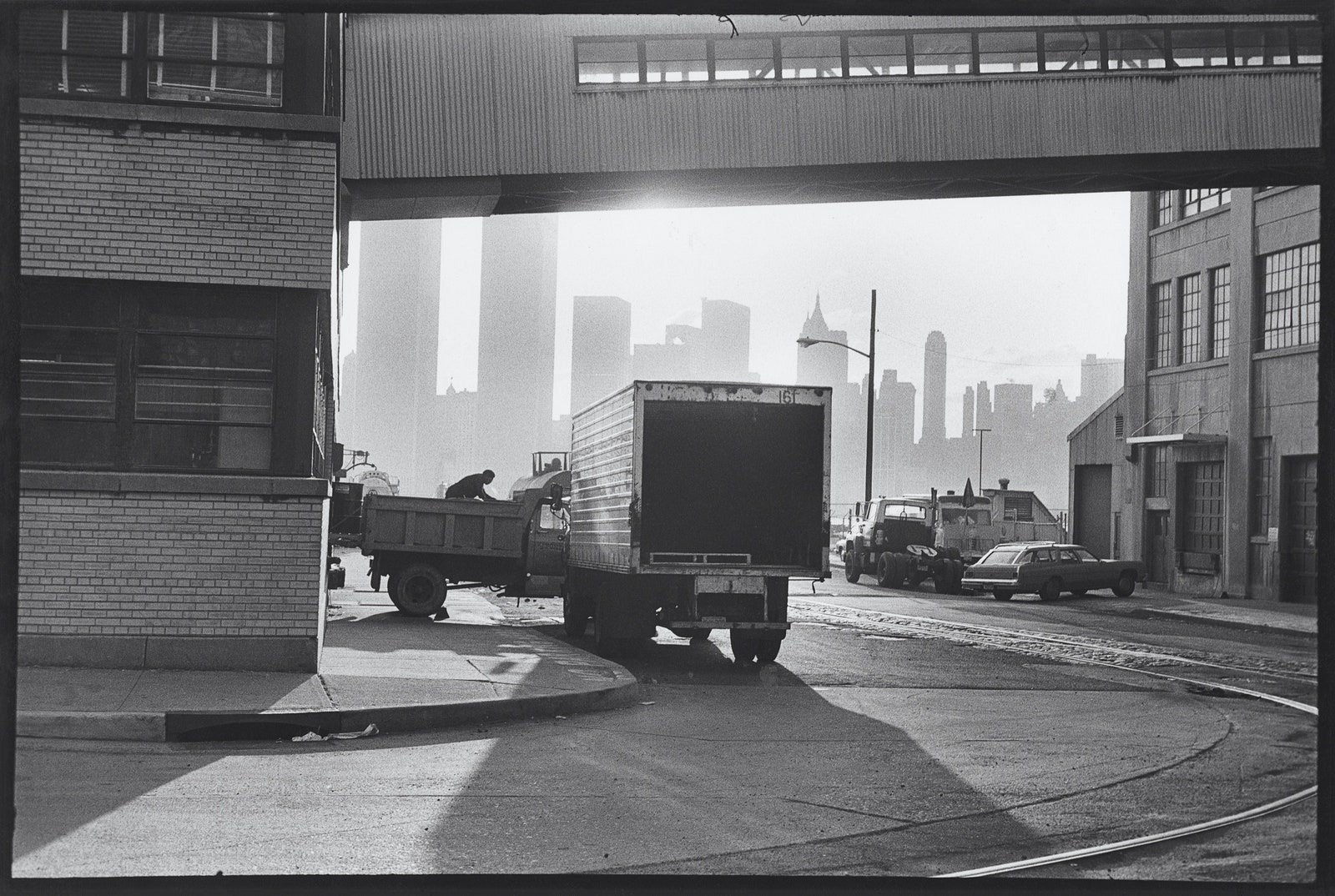
In 1975, Henri Cartier-Bresson came to the United States to photograph, of all places, New Jersey, at the invitation of Jaune Evans, a producer for “Assignment America,” a television show on the public-broadcasting station WNET. Looking back on the experience, Peter Cunningham, Evans’ partner and Bresson’s assistant for the project, recalls his impression of New Jersey at the time: “It was a no-past, no-future state of existence.” It’s an apt description that resonates with my own memories growing up there, navigating the gravitational pull between Philadelphia and New York.

Writing for the New Yorker celebrating the re-emergence of Cartier-Bresson’s New Jersey photographs nearly fifty years later, Zach Helfand points out:

Down the shore that month, Bruce Springsteen was agonizing over what would become “Born to Run.” The two artists conjured a similar mythology: asphalt and steel, operatic death on dirty streets, traps and escape. Cartier-Bresson also found humor—two men wearing the same suit, a gaggle of disembodied mannequin heads. By coincidence, Cunningham had been working as a photographer for Springsteen. “In a way, this year, 1975, was Jersey’s birthing year,” Cunningham told me.

I don’t know if 1975 was New Jersey’s “birthing year,” but I appreciate the image of Springsteen and Cartier-Bresson driving the same highways and rural routes, breathing the same salty air, and thinking about and documenting the State of New Jersey, an overlooked and unassuming microcosm of America.

(via Jason Kottke)

Exit Only (1988)

| Film

It is difficult to comprehend, in 2022, the sheer number of hours I spent shooting, editing, and preparing to show this short not quite five minute movie, my capstone project for the undergraduate seminar English 284, “Popular Narrative: Comics, Films & Television,” a course taught by Donald Ault in 1988 . Shot on 8mm silent color film, edited by hand, and finally, nervously projected while simultaneously playing on a nearby CD player the instrumental song, “The Brazilian” by Genesis, Exit Only is, if nothing else, a testament to the value and privilege of a liberal arts education. I loved that class, not least because students were given such a wide berth when thinking about how to apply what we learned from our readings and lectures.

Professor Ault dispassionately blew my mind every week as we deconstructed (without calling it that - remember this was 1988) the art and methods of storytelling in popular art forms (mostly comics). I couldn’t get enough and I am forever grateful to have had the opportunity to explore and apply what I had learned in a non-traditional way for the final class project. The experience still reverberates.

An obvious, cited influence was Godfrey Reggio’s Koyaanisqatsi (1982). That film, as for so many, opened my eyes to how an experimental approach to the craft of storytelling could have such an impact and how film language itself was far from calcified. I also, simply, fell in love with the film’s astonishing images, the result of film speed manipulation and intentional, subtle camera movements. To be clear: Exit Only is no Koyaanisqatsi, but it unabashedly attempts to create a kindred grammar composed of an intentional accumulation of images, cutting between different filmed sequences, with varying timing, stretched non-linearly over the course of an imagined single day.

With so much raw footage, taken on campus and at various locations throughout Nashville, I needed a framework to help me lay out how the sequences would be assembled. I kept coming back to “The Brazilian.” The song had the perfect combination of dynamism and contrast. Given its underlying mechanical-sounding loop sequence — making a perhaps too obvious a connection to the stop-motion aesthetic of the time-lapse photography as well as my overt commentary on life’s daily repetition and patterns — the song easily delivered the formal structure I was seeking.

Digital filmmaking today escapes much of the hard work this project required and avoids the many technical mistakes which could not be corrected in post-production. Choices I agonized over are now decided with the push of a button, and then undone if the results don’t satisfy. Magic! Certainly both have their place, but access to the requisite tools, the technical know-how, and, importantly, audiences and fellow enthusiasts, is dramatically different today. This access raises the bar on what can be achieved but also what can be discarded, which can be surprisingly counter-productive, as I have commented elsewhere when talking about the lack of scarcity that digital art can perpetuate and represent. While I don’t pretend to long for the good old days of analog media production — I welcomed the arrival of and continue to embrace most things digital — I admit there is something inescapably satisfying when I watch Exit Only and think back to the materiality of the experience making it: the uncooperative stickiness of the splicing tape, the clatter of the classroom projector, even the whir of the CD queuing up, waiting patiently for me to press Play.
Like a Blanket in the Rain

| Visual Culture

Image courtesy of MACK Books

Alec Soth reflects on his latest book A Pound of Pictures:

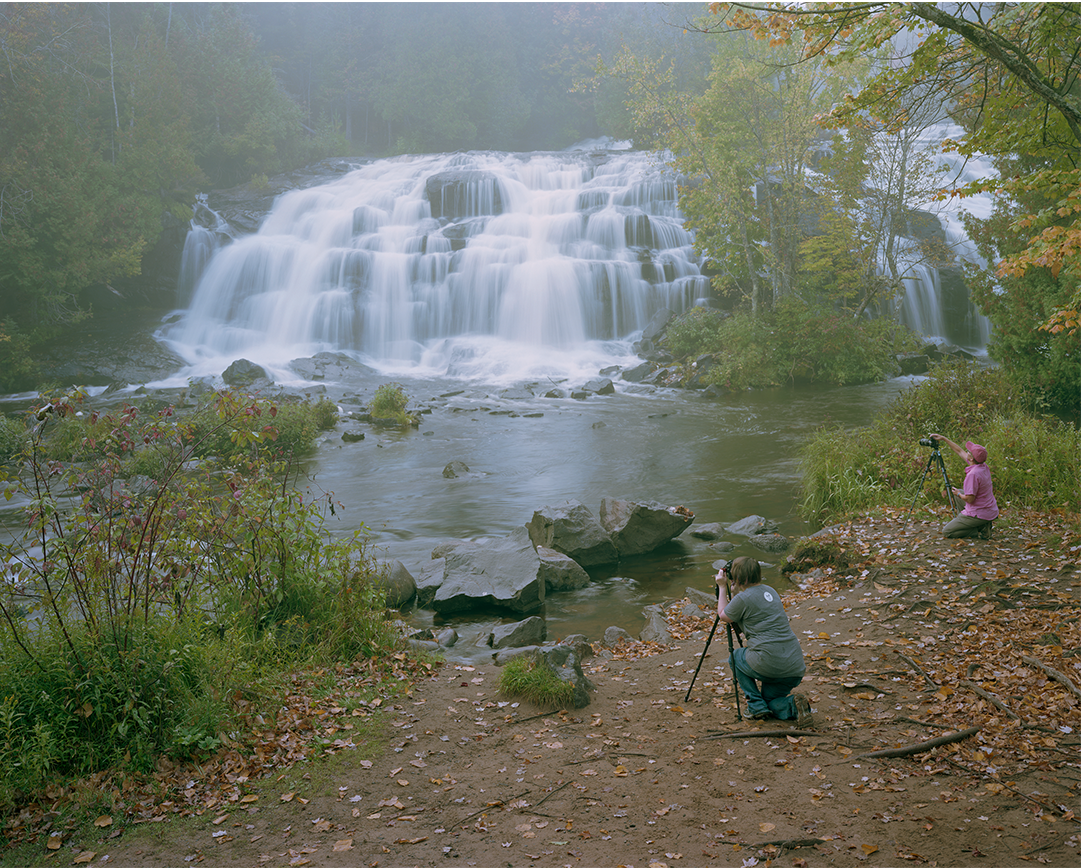
For me, photography is fundamentally tied to the physical act of recording. I leave the house and drive into the world. Through the lens of my Honda Odyssey, I watch light bounce off of a million surfaces. One of them catches my eye—the girthiest sycamore in Michigan, let’s say. I park the van, pick my spot, and set up the camera. It’s a simple tool and there’s so much it can’t record. We can’t hear the birdsong nor the crabby farmer who reluctantly gave me directions. My slow shutter can’t even catch the butterfly fluttering near the trunk. We might intuit the tree’s two-hundred-year-old history, but we only see bark, not rings. But, oh, the bark! The film’s emulsion soaks up its reflections like a blanket in the rain. Printing the picture, these reflections coalesce into a body. We hold the weight of a giant in the palm of our hand; flattened and miniaturized, yes, but not a VR genie. Each negative weighs .6 oz.

Shonni Enelow on Nomadland for Film Comment

| Film

Nomadland wants to be a film about precarity and poverty, but it is in fact a film about Frances McDormand’s skill as an actor.

Shonni Enelow’s short essay “Toil and Trouble” written for Film Comment’s email newsletter captures precisely what I felt after watching Nomadland. I was constantly aware of McDormand the actor and was left unconvinced by the film’s muddle of narrative conventions.¹⁠ By pressing on how Shakespeare is narrowly invoked, Enelow offers a refreshing read of the filmmakers’ blindness to their own participation in the inequalities and exploitation they hope to reveal and subvert.

Representation is hard.


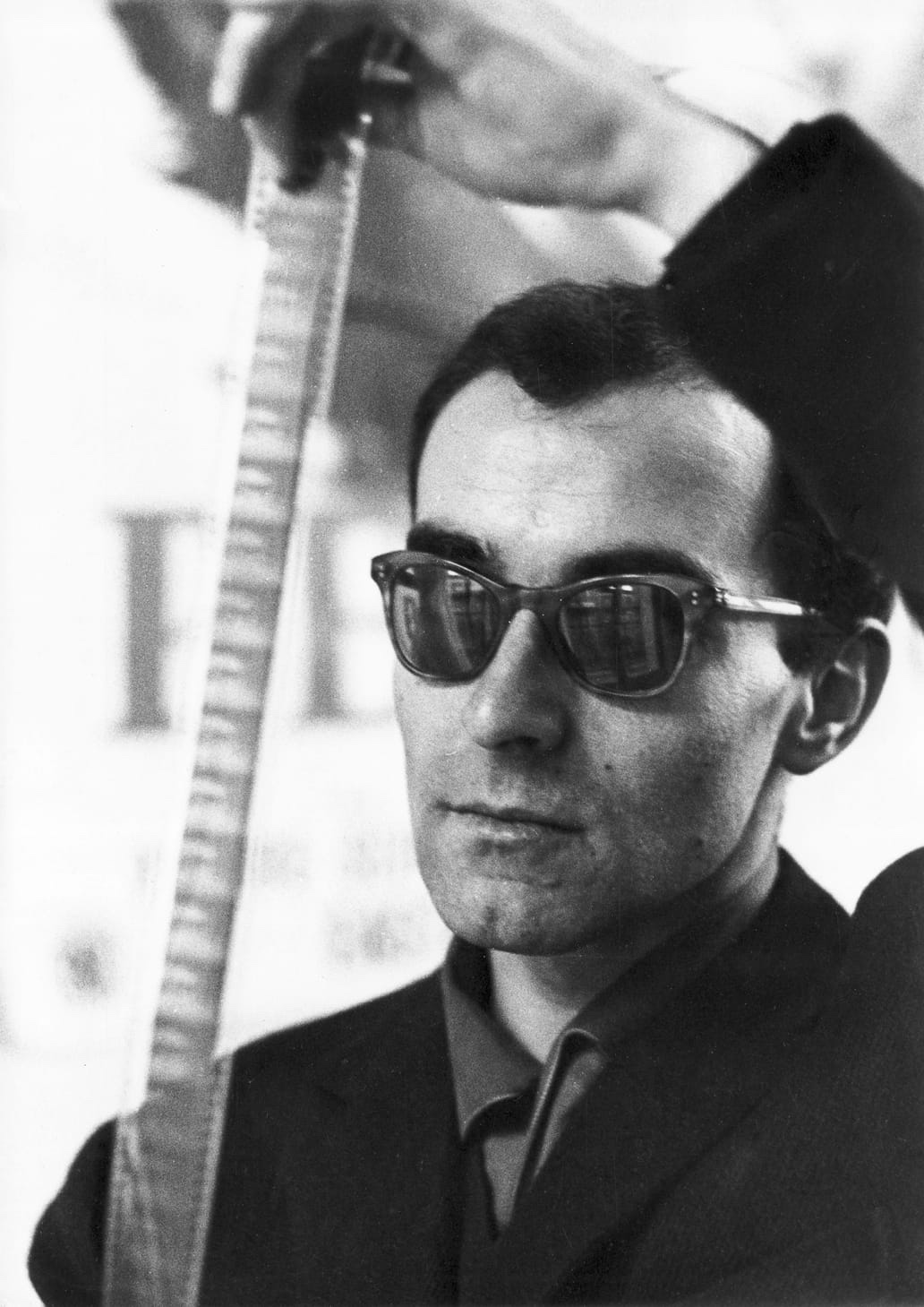
¹ I would have preferred the essayistic film grammar and Brechtian artifice of Godard, though that is likely still too much for the Academy to swallow.

Time Tunnel, 2019

| Photos

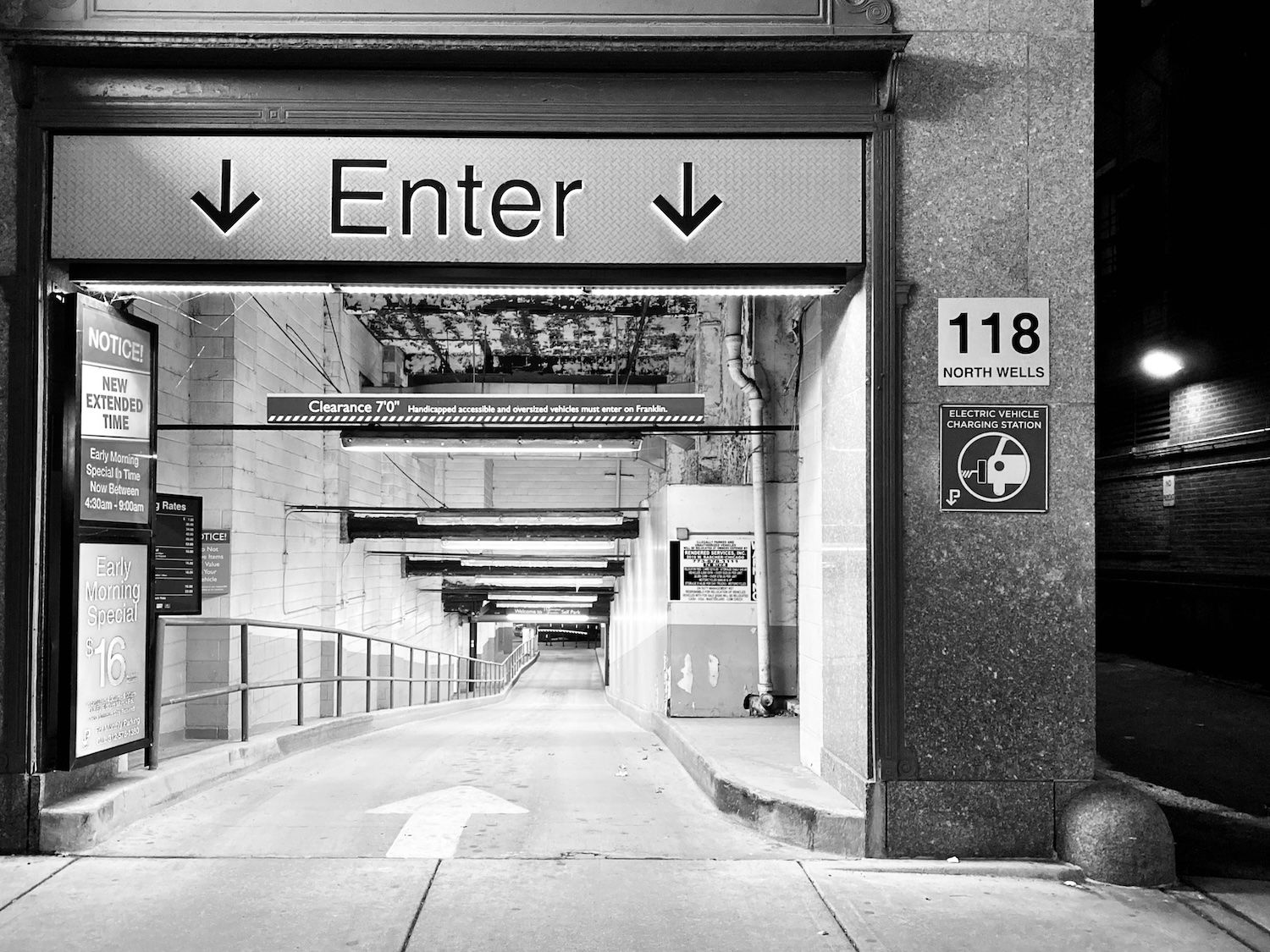
“Pressed” the shutter on this one a year ago to the day; and what a year it has been.

Further Retreats from 2020

| Visual Culture

The "Pope of Trash" and "Filth Elder" John Waters offers a "hilarious”, "glorious”, "boldly retro" poster design for the 58th New York Film Festival.

"Retro digital oasis” poolside.fm (via Daring Fireball).

A retreat and a "redo" all in one: this December, on the occasion of its 30th anniversary, a new, "vindicating" cut of Francis Ford Coppola's The Godfather: Part III (1990) will be released (in theaters 🤞) and retitled Mario Puzo’s The Godfather, Coda: The Death of Michael Corleone.